

How Much Water Modern Dishwashers Really Use
Living in the desert communities of Mesa and Gilbert, AZ, means we always keep one eye on our water bills. Conservation matters, and you might wonder if running your appliances frequently works against those efforts. When looking at your kitchen routine, you might ask yourself: Does a dishwasher really use less water than washing by hand?
The answer might surprise you. Modern appliances have changed the way we clean our plates, glasses, and silverware. This guide breaks down dishwasher water usage, compares it directly to hand washing, and provides actionable tips to help your household save water and energy.
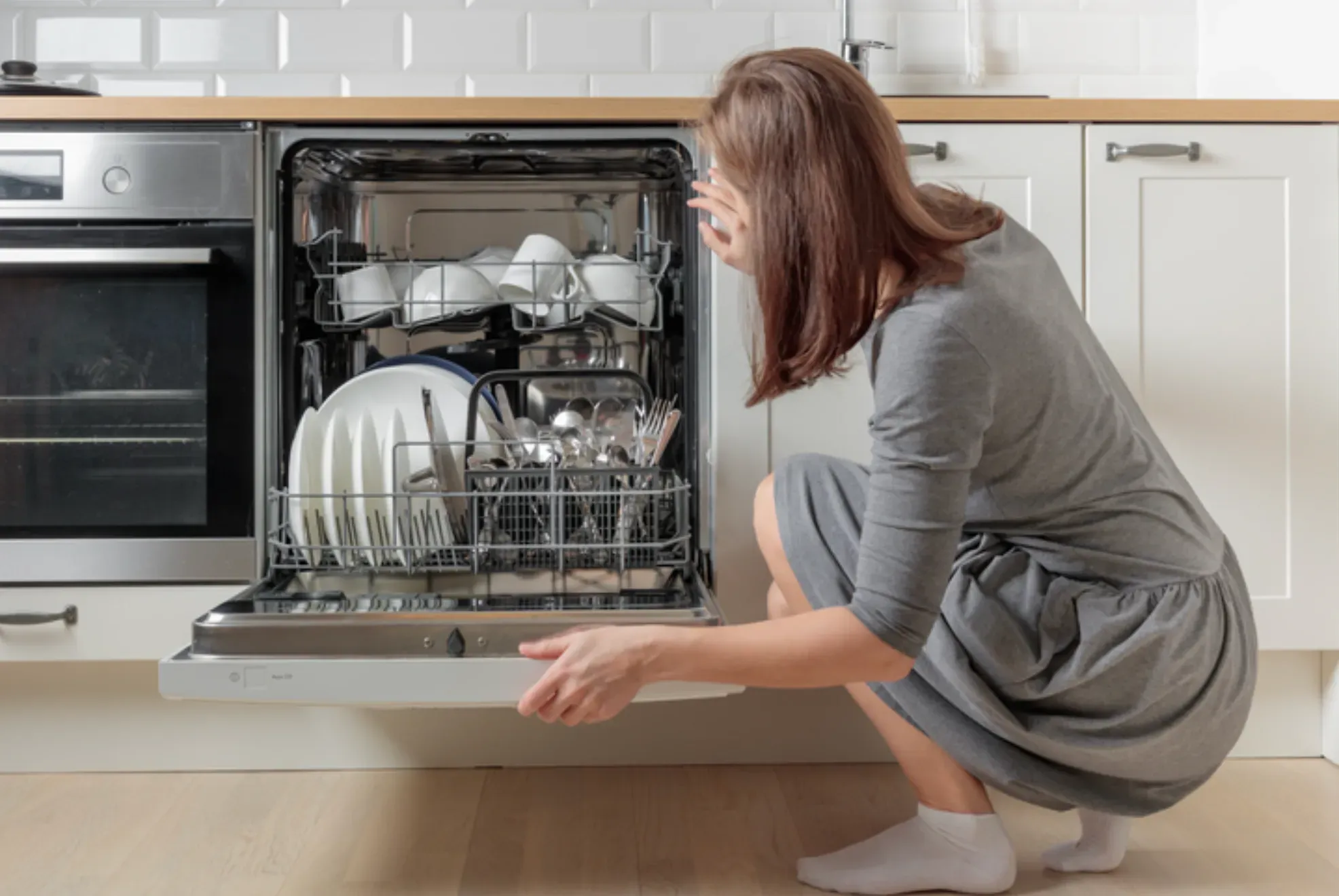
How Much Water Does a Dishwasher Use Per Cycle?
Your dishwasher's gallons per cycle depend largely on the age of the machine. Older machines manufactured before 1994 easily used 10 to 15 gallons of water per load. Thankfully, appliance technology has advanced significantly.
Today, standard dishwasher water consumption sits around 3 to 5 gallons per cycle. The exact number fluctuates based on the brand, the selected cycle, and the specific model you own. If you upgrade to an Energy Star-certified model, that number drops even lower, often using less than 3.5 gallons to clean a full load of dishes.
How Much Water Does a 1-Hour Dishwasher Cycle Use?
Short on time? Many modern machines offer an express or quick wash setting. So, how much water does a 1-hour dishwasher cycle use?
Typically, a quick wash uses slightly more water and energy than a normal cycle. Because the machine has less time to soak and break down food particles, it compensates by spraying more water at higher temperatures to get the job done fast. Expect a 1-hour cycle to use roughly 4 to 6 gallons of water. Reserve this setting for lightly soiled items to maximize efficiency.
Dishwasher vs Hand Washing: Which Uses More Water?
When comparing dishwasher vs hand washing water usage, the machine wins by a landslide. Many people assume that running an appliance wastes water, but washing dishes by hand requires a constant flow from the faucet.
A standard kitchen faucet flows at about 2.2 gallons per minute. If you spend just 10 minutes washing a sink full of dishes, you send 22 gallons of water straight down the drain. Compare that to the 3 to 5 gallons used by an energy-efficient dishwasher. Letting the machine do the hard work clearly conserves a massive amount of water.
What Makes a Dishwasher More Water Efficient?
Manufacturers design modern dishwashers to recycle water throughout the wash cycle. Instead of constantly pulling fresh water from your pipes, the machine filters and reuses the water multiple times before the final rinse.
Energy Star dishwasher water use is particularly low because these models feature advanced soil sensors. These sensors detect exactly how dirty your dishes are and adjust the water volume and cycle length accordingly. Improved spray jets also target dishes more precisely, requiring less water to achieve a spotless clean.
Factors That Affect Dishwasher Water Usage
Several variables determine exactly how much water your machine pulls during a wash:
- Age of the appliance: Older models lack modern water-saving technology.
- Cycle selection: Heavy-duty cycles use more water than normal or eco-friendly settings.
- Soil level: Machines with sensors will use extra water to tackle baked-on grease.
- Machine size: Compact or drawer dishwashers use less water than standard 24-inch models, but hold fewer dishes.
How Much Water Can You Save by Using a Dishwasher?
The savings add up quickly. If you wash dishes by hand for 10 minutes every night, you use roughly 8,000 gallons of water per year.
Running a modern dishwasher every night uses about 1,500 gallons annually. By simply loading the machine instead of reaching for a sponge, your household can save over 6,500 gallons of water every single year. For families in Mesa and Gilbert looking to lower utility bills, this simple habit change makes a massive difference.
Tips to Reduce Dishwasher Water Consumption
Maximize your water savings with a few straightforward habits:
- Scrape, do not rinse: Scrape food scraps straight into the trash. Pre-rinsing wastes gallons of water and tricks your machine's soil sensors into running a shorter, less effective cycle.
- Wait for a full load: Run your machine only when it is completely full to get the most out of every drop.
- Choose the right cycle: Use the normal or eco setting for daily loads. Save the heavy cycle for truly stubborn pots and pans.
- Upgrade your appliance: If your machine is over a decade old, replacing it will yield immediate water and energy savings.
FAQ
Do Dishwashers Save Money On Water Bills?
Yes. Because they use significantly less water than hand washing, a modern dishwasher lowers your monthly water bill while also reducing the energy needed to heat the water.
How Do I Know If My Dishwasher Is Energy Efficient?
Look for the blue Energy Star label on the appliance. This certification guarantees the machine meets strict guidelines for energy and water consumption set by the Environmental Protection Agency.
Should I Leave The Faucet Running While Hand Washing?
No. If you must wash items by hand, fill one basin with soapy water and the other with clean rinse water. Never leave the tap running continuously.
Need a New Dishwasher?
If you are ready to bring an energy-efficient dishwasher into your home, Mesa TV & Appliance is here to help. We have been family-owned and operated since 1965, proudly serving the Mesa and Gilbert communities. We offer free in-store pick-up or local delivery with installation to make your upgrade seamless. We also provide a haul-away option for just $10 per piece, so you never have to worry about disposing of your old unit. Shop with confidence knowing we back our products with a 30-day price guarantee. Visit us today to find the perfect appliance for your kitchen!